
Cleaner Air Starts With Removing Fine Dust and Job Site Debris
Post-construction cleaning improves indoor air quality because building dust does not stay on the floor. It moves into the air, settles in vents, and lands on walls, trim, and fixtures. After a remodel or new build, tiny particles of drywall, sawdust, insulation, and other debris can keep floating around for days or weeks. A simple surface wipe is often not enough. A full cleaning helps remove those particles so the air inside feels cleaner and safer to breathe.
Common Symptoms of Poor Air After Construction
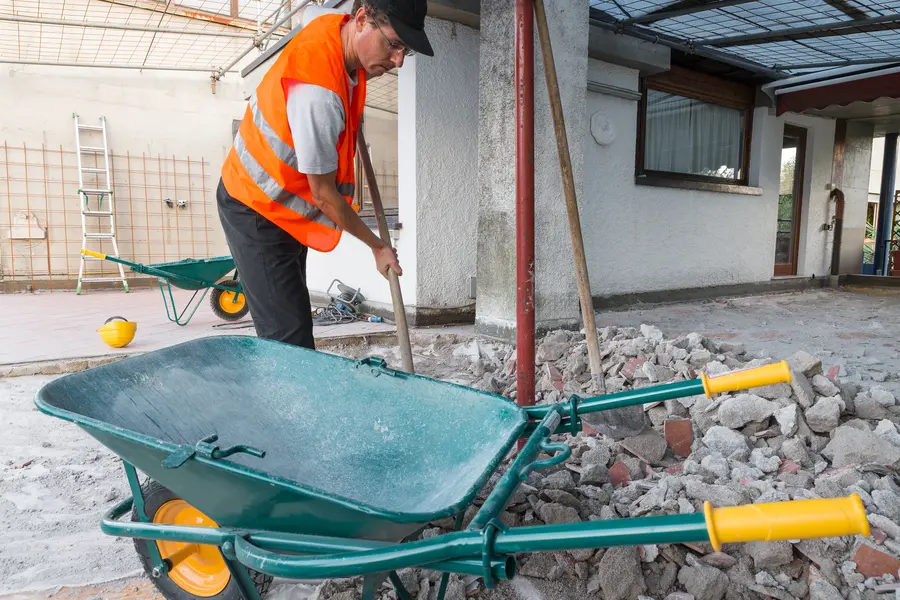
Many people notice indoor air problems soon after work ends. The space may look finished, but the air can still hold a lot of fine dust. You might see a light film on furniture soon after wiping it off. You may also notice more sneezing, coughing, throat irritation, or itchy eyes. In homes with kids, older adults, or pets, these issues can stand out even more. Even the heating and cooling system may spread dust from room to room.
- Dust returns soon after cleaning
- Air feels dry or gritty
- Vents blow out light debris
- People in the space sneeze or cough more
- Rooms have a stale or dusty smell
Likely Causes Behind the Air Quality Problem
Construction work creates more dust than most people expect. Cutting wood, sanding drywall, drilling tile, and trimming materials all release very small particles. Those particles can settle in hidden spots like baseboards, window tracks, light fixtures, and air vents. When people walk through the area, the particles rise again. If the HVAC system runs during or after the job, it can pull dust into filters and ducts, then push it back into the rooms.
Leftover scraps can also add to the problem. Adhesive residue, packaging bits, and general debris may trap dust and make cleanup harder. This is one reason post-construction cleaning is different from regular housekeeping. It is more detailed and it targets both visible mess and hidden buildup. In many cases, general cleaning services do not go deep enough for this type of job.
What to Check First After the Job Ends
Before anyone settles into the space, it helps to inspect the areas where dust collects most. Start with surfaces that are often missed. Check both high and low points in the room. A countertop may look clean, while the top of a door frame is still coated. It also helps to look at air movement points, since these can spread dust fast.
- Check HVAC vents and returns for visible dust
- Look at window sills, trim, and corners
- Wipe light fixtures and ceiling fan blades
- Inspect floors along edges and under cabinets
- Review filters in the heating and cooling system
- Look for drywall dust on walls and baseboards
If these areas still hold dust, the room is not really clean yet. That means the air can still be affected each time the system turns on or someone walks through.
Safe Fixes Versus Pro-Level Fixes
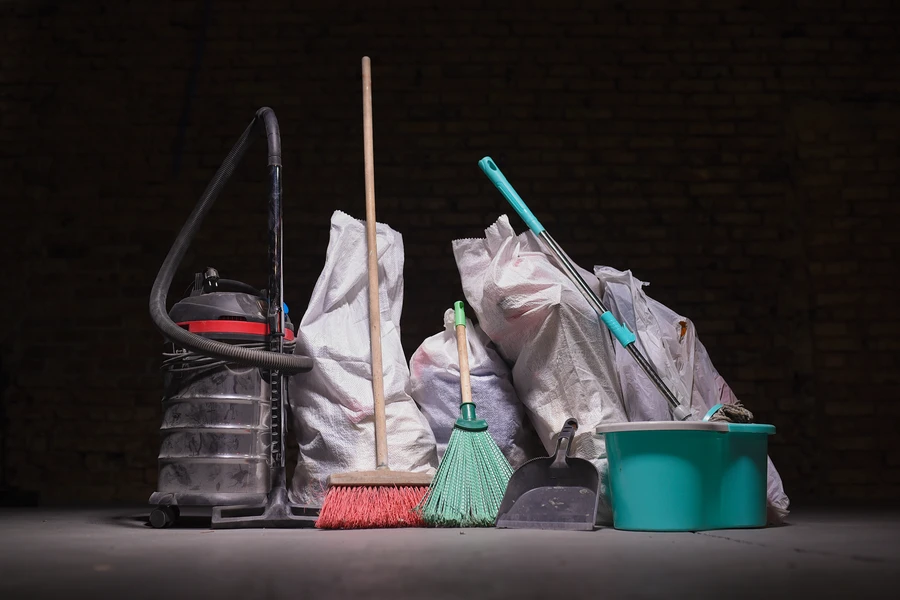
Some cleanup steps are safe for most people to handle. Dry sweeping is usually a poor choice because it sends dust back into the air. A better option is damp wiping hard surfaces and using a vacuum with a good filter. Replacing HVAC filters can also help right away. Washing vent covers, cleaning window tracks, and mopping floors more than once are smart next steps.
Still, some jobs need more than basic tools. Fine dust often hides in textured surfaces, high ledges, and duct areas. If debris is spread through several rooms, or if the project was large, a more detailed service is often the better fix. Professional post-construction cleaning crews use methods made for construction dust, not just everyday dirt. That can make a big difference in how the space feels after cleanup. This kind of service category work is built for new builds, remodels, and tenant improvements where dust control matters.
Prevention Tips for Better Indoor Air
The best time to protect indoor air is before dust settles everywhere. During the project, crews can block off work zones and cover vents when possible. After the work is done, cleaning should happen in a clear order so dust is removed instead of spread around. High surfaces should be cleaned before low ones. Vents, trim, and walls should be handled before the final floor cleaning.
- Change air filters after construction work
- Use damp cloths instead of dry dusting
- Vacuum with a HEPA-style filter if available
- Clean vents, returns, and registers
- Do more than one pass on floors and trim
- Wait to move soft furniture in until dust is gone
These steps help cut down on particles that keep cycling through the air. They also help protect fresh paint, new flooring, and finished surfaces from extra wear caused by gritty dust.
When It Makes Sense to Get Expert Help
If the dust keeps coming back, the cleanup may not be complete. That is often the case after major remodeling, room additions, commercial build-outs, or jobs with heavy drywall sanding. People with allergies or asthma may also want a more complete cleanup before using the space every day. In Fitchburg, WI, this can matter even more when windows stay closed and air keeps moving through the same system indoors.
When a job needs detailed attention, a trained crew can clean beyond what most basic routines cover. That includes hidden ledges, vents, fixture tops, and the fine residue left behind on hard surfaces. A thorough post-construction cleaning helps the finished space look better, feel better, and support cleaner indoor air from the start.
Get Help With the Final Cleanup
For help in Fitchburg, WI, reach out to us for a detailed cleanup plan. At Moon's Cleaning Solutions, we help remove the dust and debris left after building work so your space feels ready to use. Call us at (608) 200-8089 to schedule service or ask questions about your project.